Is a Leaking Toilet Base the Hidden Source of Bathroom Mold?
When most people notice mold in a bathroom, their eyes go straight to the grout lines, the shower curtain, or the corner of the ceiling where steam collects. But some of the most persistent mold problems start in a place that is easy to overlook: the base of the toilet. A slow, silent leak from the wax ring or the supply line can create a damp environment under the toilet, inside the flooring, and against the subfloor. Over time, that moisture feeds mold growth that you never see until it has already spread. The short answer is yes: a toilet base leak can absolutely be the hidden cause of bathroom mold.
How a Toilet Base Leak Creates the Conditions for Mold
A toilet does not have to be visibly wet around the base to be leaking. Water can seep out in tiny amounts when the toilet rocks, when the wax seal between the toilet and the flange degrades, or when the bolts that hold the toilet down are loose. The water may evaporate before it pools on the tile, but the moisture wicks into the subfloor, the underlayment, and the nearby drywall. Once those materials stay damp for more than 24 to 48 hours, mold spores that are always present in the air find a hospitable home.
Bathrooms already have higher humidity than other rooms, so any additional moisture source tips the balance. A toilet base leak adds moisture directly into materials that are hard to dry. Unlike a spilled glass of water that gets wiped up, a slow leak under the toilet saturates porous surfaces from below. The mold that grows there is hidden by the toilet itself and by the flooring, and it can spread to adjacent walls and cabinets before anyone realizes there is a problem.
Signs That a Toilet Base Leak Might Be Feeding Hidden Mold
You do not need to pull up the toilet to check for a leak. There are several clues that any homeowner can spot. If the toilet rocks even slightly when you sit on it, that movement can break the seal between the toilet and the waste pipe. A rocking toilet is almost always a sign that the wax ring is no longer making a watertight seal, and water can escape with every flush.
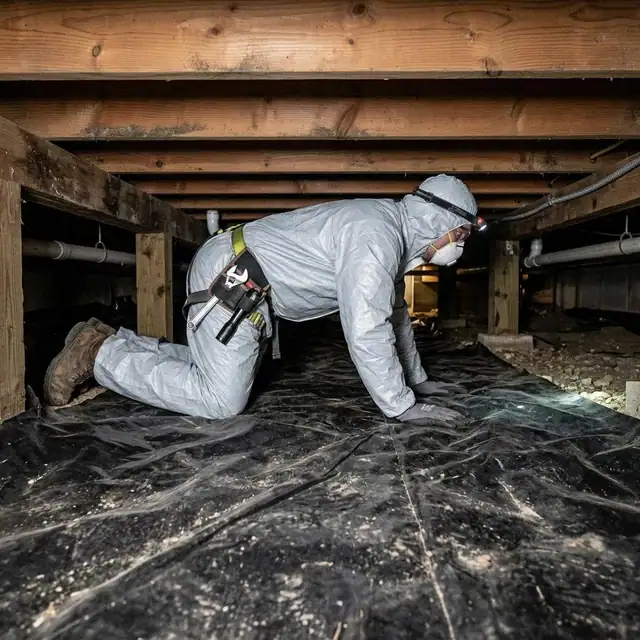
Another sign is a musty smell that seems strongest near the toilet but not directly from the bowl. That smell is often the first indication that mold is growing under the toilet or in the subfloor. You might also notice that the caulk around the base of the toilet is cracked, missing, or discolored. Caulk is not a water barrier, but when it is damaged, it allows moisture to travel more easily into the space under the toilet.
Soft or spongy flooring around the toilet is a more advanced sign. If the tile or vinyl feels bouncy or if you see dark stains creeping out from under the toilet base, the subfloor has already absorbed water. At that stage, hidden mold is almost certainly present.
Why Hidden Bathroom Mold Is a Serious Problem
Hidden bathroom mold matters because it can grow for months or years without being detected. By the time you see visible mold on the surface, the colony underneath may be extensive. Hidden mold often damages the structural integrity of the subfloor and can cause wood rot, which is expensive to repair. It also affects indoor air quality. The spores from hidden mold find their way into the bathroom air and then into the rest of the house through the ventilation system or under the door.
For people with allergies, asthma, or other respiratory sensitivities, breathing mold spores can trigger symptoms even when the mold itself is not in plain sight. The health effects of hidden mold are one reason why addressing the source of moisture is so important, not just cleaning visible growth.
How to Confirm a Toilet Base Leak
If you suspect a leak, there are a few steps you can take without calling a professional. First, dry the area around the toilet base thoroughly with a towel. Then place a few paper towels or a piece of dry toilet paper around the base, especially at the back and sides. Flush the toilet several times and wait a few hours. If the paper towels become damp, the toilet is leaking at the base.
Another test is to check the water supply line where it connects to the toilet tank. A small drip there can run down the side of the toilet and pool under the base, looking exactly like a wax ring leak. Wipe the supply line and the shutoff valve dry, then place a dry paper towel under the connection. Come back after an hour to see if it is wet.
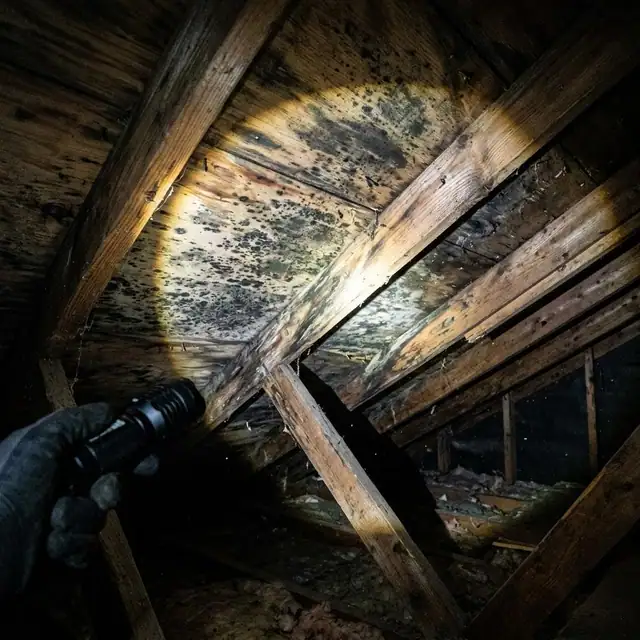
If you have access to a crawlspace or basement below the bathroom, check the ceiling under the toilet for water stains, damp insulation, or mold. Water from a toilet base leak can travel down through the subfloor and show up on the ceiling below before it ever becomes visible in the bathroom.
What to Do If You Find a Leak
A leaking toilet base is usually fixable, but the fix depends on the cause. If the toilet is rocking, the bolts at the base can be tightened. However, overtightening can crack the porcelain, so the job is best done with the right tools and a cautious hand. If the wax ring is old or damaged, the toilet has to be pulled, the old ring scraped off, and a new one installed. That job also involves cleaning the flange and checking the subfloor for damage.
If the subfloor is already wet or moldy, the leak repair is only part of the solution. The wet material has to be dried out and, if mold has taken hold, the affected area needs remediation. Simply drying the surface will not kill mold that is growing inside the wood fibers.
This is where professional help can make a difference. A service like Mold Removal Boston Pros can assess the extent of the damage, remove mold from porous materials, and help ensure that the area is dry and safe before the toilet is reinstalled. They understand that hidden bathroom mold often starts exactly where you least expect it.
Preventing Future Leaks and Mold Growth
Prevention is more straightforward than remediation. If you have ever had a toilet base leak, the best practice is to install a new wax ring with a proper seal and to anchor the toilet so it does not rock. Some plumbers also recommend using a flexible supply line instead of a rigid one, because a flexible line puts less stress on the connections. Re-caulking around the base of the toilet every few years can help keep surface moisture from seeping underneath, even if the seal is sound.
Ventilation is another layer of prevention. A bathroom exhaust fan that runs for 20 to 30 minutes after every shower reduces the overall humidity, which makes it harder for hidden mold to thrive. A small dehumidifier in a damp bathroom can also help, especially if the room does not have a window or a good fan.
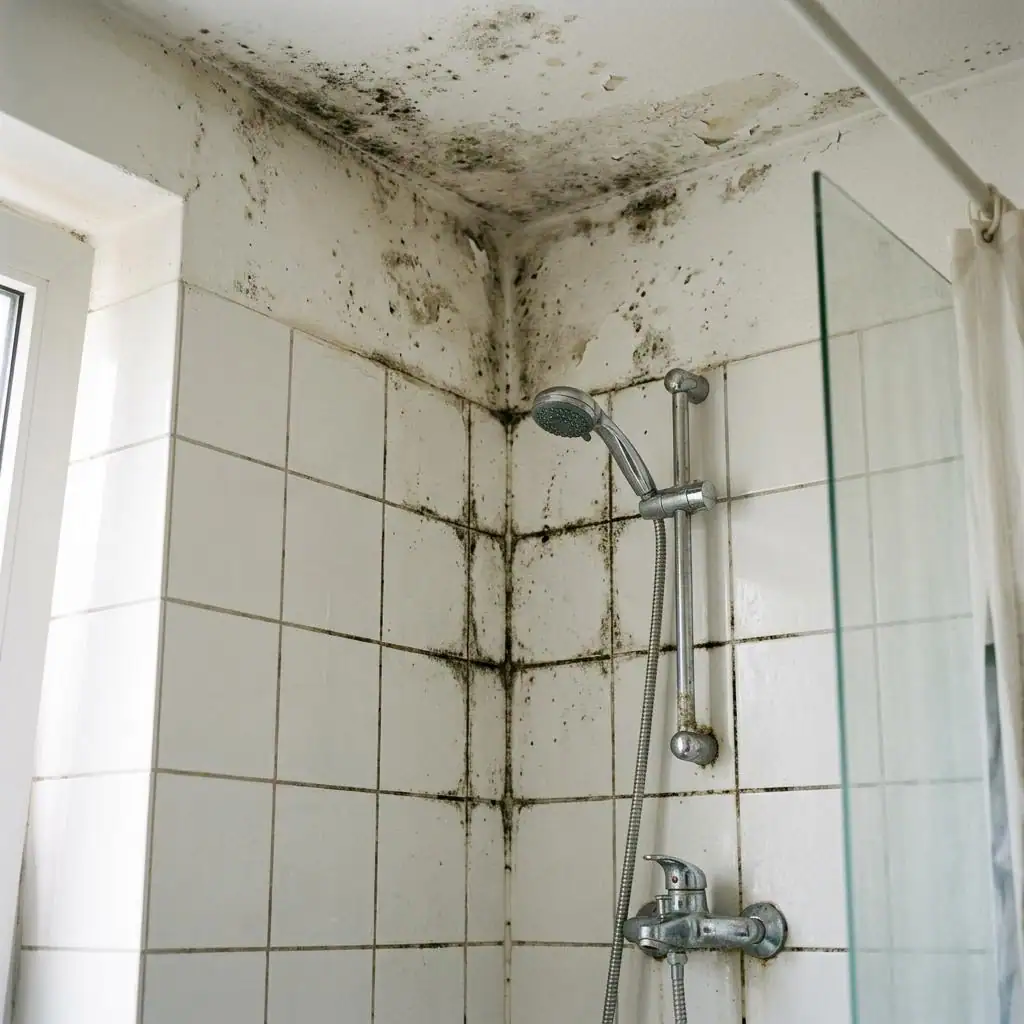
If you are buying a home or renovating a bathroom, it is worth asking to have the toilet pulled and the subfloor inspected. That might sound excessive, but hidden bathroom mold is a common issue that inspectors often miss because they do not lift the toilet. For a few hundred dollars of preventive work, you can avoid a much larger mold remediation bill later.
The Takeaway
A toilet base leak is one of the most common hidden sources of moisture in a bathroom, and moisture is the only thing mold needs to grow. Because the leak happens underneath the toilet and inside the flooring, it can go unnoticed for a long time. The mold that results is also hidden, and it can damage both the structure of the home and the air quality inside it. Checking for a leak is simple, and fixing it promptly is the best way to avoid a bigger problem. When hidden mold does appear, addressing the moisture source and the mold together is the only reliable approach. Professionals like Mold Removal Boston Pros focus on exactly this kind of hidden issue, because they know that visible mold is only part of the story.